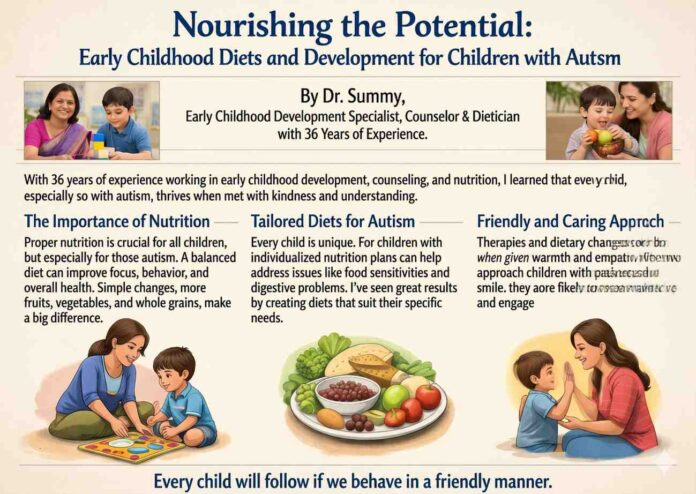
Looking for affordable autism treatment in Balasore? Our pediatric development doctor offers expert care tailored to your child’s unique needs. We focus on improving communication, behavior, and learning abilities through structured therapy programs. Early diagnosis and intervention can significantly enhance your child’s development. Our team provides complete support to parents, ensuring consistent progress at home and therapy sessions. Quality care at an affordable cost makes professional help accessible to every family.
 For consultation or patient details, connect on WhatsApp at 9437164832.
Best Therapy Options for Autism: Speech, Behavioral & Occupational Support
When a child is diagnosed with autism, one of the first and most important questions parents ask is, “What is the best therapy for my child?” Autism, or Autism Spectrum Disorder (ASD), affects communication, behavior, social interaction, and learning patterns. Since every child with autism is unique, there is no single treatment that works for all. Instead, a combination of therapies tailored to the child’s specific needs can help build essential skills and improve overall development. Understanding the different therapy options available is crucial for parents who want to provide the best possible support for their child’s growth and future independence.
Therapy in autism is not about changing who the child is, but about helping them develop skills that make daily life easier and more meaningful. These therapies focus on improving communication, enhancing behavior, building independence, and supporting emotional well-being. The earlier these therapies are started, the better the outcomes tend to be, as the child’s brain is more adaptable during the early years. However, it is never too late to begin—children of all ages can benefit from the right support and consistent practice.
One of the most essential therapies for children with autism is speech therapy. Communication challenges are one of the core features of autism, and speech therapy helps address both verbal and non-verbal communication skills. A child may have delayed speech, limited vocabulary, or difficulty understanding language. Speech therapy works step by step to improve these areas by teaching the child how to use words, gestures, and expressions effectively. For children who are non-verbal, alternative communication methods such as picture exchange systems or sign language may be introduced. The goal is not only to help the child speak but also to ensure they can express their needs, emotions, and thoughts in a way that reduces frustration and improves interaction with others. Over time, improved communication leads to better social connections and increased confidence.
Behavioral therapy is another widely recommended approach, especially for managing challenging behaviors and improving social skills. One of the most common methods used is Applied Behavior Analysis (ABA), which focuses on understanding how behavior works and how it can be influenced through positive reinforcement. Children with autism may display behaviors such as tantrums, aggression, or withdrawal, often as a way of communicating discomfort or unmet needs. Behavioral therapy helps identify the triggers behind these behaviors and teaches alternative, more appropriate ways to respond. For example, a child who throws objects when frustrated can be taught to use words or gestures instead. Positive reinforcement, such as praise or rewards, is used to encourage desirable behaviors. Over time, this approach helps the child develop better self-control, attention, and social interaction skills.
Occupational therapy plays a vital role in helping children develop the skills needed for everyday life. Many children with autism face challenges in performing daily tasks such as eating, dressing, writing, or maintaining personal hygiene. Occupational therapy focuses on improving fine motor skills, coordination, and sensory processing. Sensory issues are common in autism, where a child may be overly sensitive or under-responsive to stimuli such as touch, sound, or movement. An occupational therapist works to help the child adapt to these sensory experiences in a comfortable way. For example, a child who is sensitive to certain textures may gradually be introduced to them in a controlled and supportive environment. By improving these skills, occupational therapy helps children become more independent and confident in their daily activities.
In addition to these core therapies, many children benefit from specialized education programs designed to meet their individual learning needs. Traditional classroom settings may not always be suitable for children with autism, as they often require a more structured and personalized approach. Special education programs focus on using visual aids, step-by-step instructions, and interactive methods to make learning more accessible. Teachers in these programs are trained to understand the unique challenges faced by children with autism and to adapt their teaching methods accordingly. This supportive environment helps children learn at their own pace without feeling overwhelmed or pressured.
Another important aspect of therapy is sensory integration support, which is often included as part of occupational therapy. Sensory integration therapy helps children process and respond to sensory information more effectively. For example, a child who is easily overwhelmed by loud noises may be gradually exposed to different sound levels in a controlled manner to build tolerance. Similarly, activities that involve movement, balance, and touch can help improve coordination and body awareness. Addressing sensory challenges is important because they can directly impact a child’s ability to focus, learn, and interact with others.
While professional therapies are essential, the role of parents in the therapy process cannot be overstated. Consistency between therapy sessions and home environment is key to achieving the best results. Parents should actively participate by learning techniques from therapists and practicing them at home. Simple daily activities can be turned into learning opportunities. For example, mealtime can be used to encourage communication, while playtime can be used to develop social and cognitive skills. The more consistent the approach, the more effective the therapy becomes.
Emotional support is another critical factor in the success of any therapy. Children with autism respond best in an environment where they feel safe, understood, and loved. Parents should focus on building a strong emotional connection by spending quality time, showing affection, and celebrating small achievements. Positive reinforcement should be used not only in therapy but also in daily life to encourage progress. A child who feels supported and valued is more likely to engage in learning and adapt to new challenges.
Lifestyle factors such as nutrition, sleep, and physical activity also play a role in supporting therapy outcomes. A balanced diet provides essential nutrients that support brain development and energy levels. Proper sleep is crucial for concentration, behavior, and overall well-being. Physical activity helps reduce stress, improve mood, and enhance coordination. Maintaining a healthy routine ensures that the child is physically and mentally prepared to benefit from therapy sessions.
Choosing the right therapy plan requires careful consideration of the child’s specific needs, strengths, and challenges. It is important to consult qualified professionals who can assess the child’s development and recommend appropriate therapies. In many cases, a combination of speech therapy, behavioral therapy, and occupational therapy provides the most comprehensive support. Regular monitoring and adjustments to the therapy plan may be needed as the child grows and develops new skills.

If parents have concerns about their child’s development or want to explore therapy options, seeking professional guidance is an important step. Early and consistent intervention can make a significant difference in the child’s progress and quality of life. For guidance or to share patient details, you can connect via WhatsApp at 9437164832.
In conclusion, the best therapy options for autism are those that are personalized, consistent, and supported by a caring environment. Speech therapy, behavioral therapy, and occupational therapy each play a unique and important role in helping children develop communication, behavior, and daily life skills. With early intervention, active parental involvement, and a focus on the child’s strengths, meaningful progress is not only possible but highly achievable. Autism is not a limitation—it is a different way of learning, and with the right support, every child can move toward a more confident, independent, and fulfilling life.